
Our Comprehensive Services

We support children and families to participate meaningfully at home, in the community, and at childcare, kinder, and school.

🧼 Self-Care Skills

Building independence in daily routines: toileting, dressing, mealtimes, and showering/bathing.

🎲 Play & Leisure

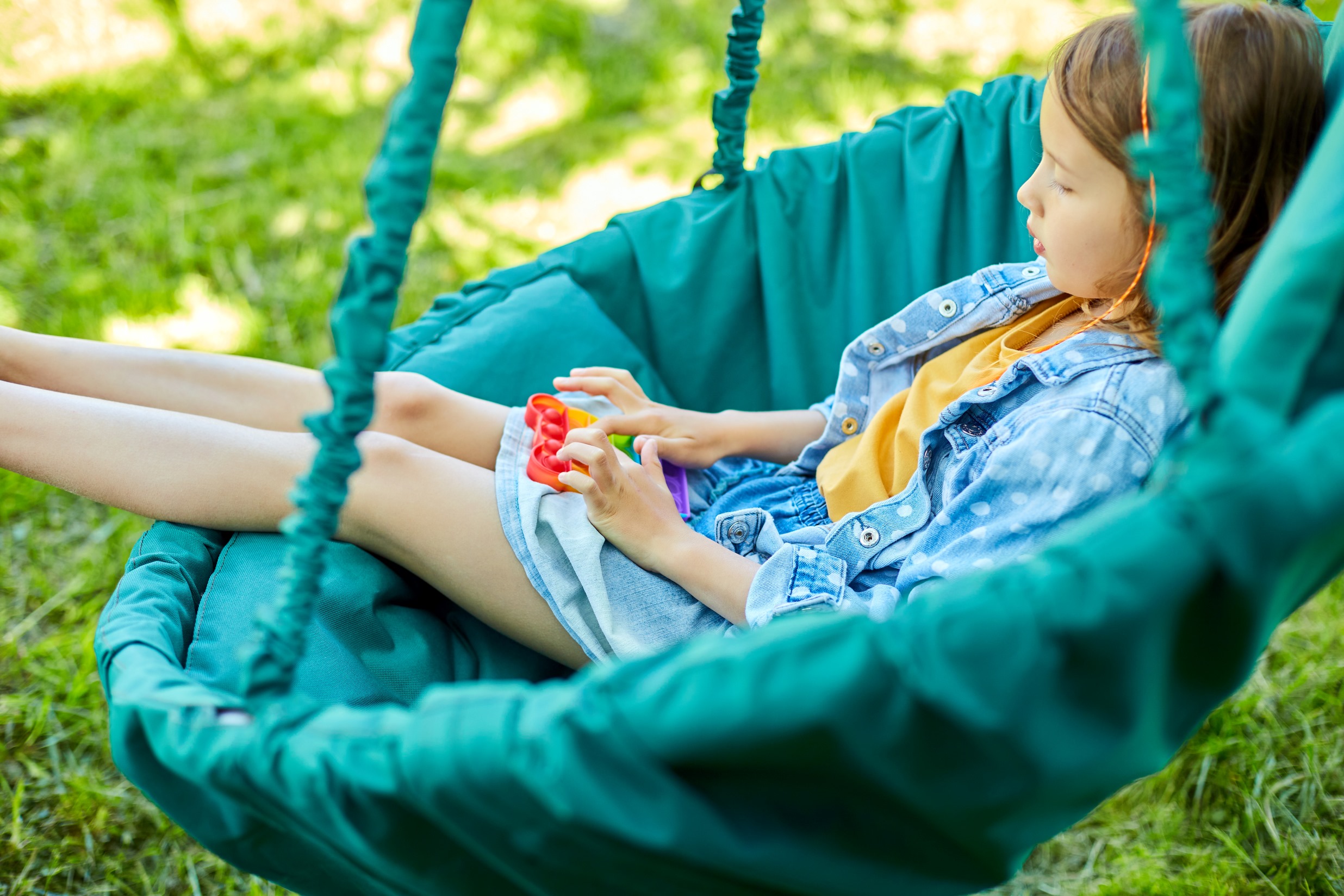
Supporting meaningful, enjoyable play and leisure — pretend play, collaborative play, sports, and hobbies.

✏️ Childcare, Kinder & School

Fine motor (drawing, handwriting, cutting, typing), access to environments (climbing, bike riding, playgrounds), and classroom participation (following routines, focusing, organising belongings).

✏️ In the Community

Support focuses on helping your child participate confidently in everyday activities beyondhome and school. Community-based sessions may include practising skills for outings and social participation, using public transport, visiting cafés, shopping, and navigating public spaces, supporting independence and real-world confidence.

Sections on this page

Assessments Occupational Therapy Sessions Clinical Collaboration Parent & Caregiver Support

Assessments

We combine clinical observation with standardised, evidence-based measures to build a holistic understanding and clear goals.

📝 Initial Clinical Assessment

Assessments can take place at home, in the clinic, or via telehealth, in a setting where your child feels most comfortable. Observations and standardised assessment tools may be used to build a clear picture of your child’s strengths and areas where support may be helpful.

Goals are developed together with you and your child and are summarised in a clear, easy-to-read report with practical next steps. Assessment may explore areas such as sensory processing, movement, play, social skills, thinking, and self-care.

📊 Specialised Assessment

Functional Capacity Assessment

These assessments explore how your child manages everyday activities and participates across home, school, and community settings. A clear, detailed report outlines strengths, support needs, and functional impacts across areas such as communication, social interaction, learning, mobility, self-care, and community participation. The report may be used to support planning or inform funding-related decisions, where appropriate.

Sensory Processing
Assessment tools such as the Sensory Profile 2 and Sensory Processing Measure (SPM) may be used to understand sensory preferences and support needs, helping to inform individualised sensory strategies.

Fine Motor, Visual-Motor & Handwriting Skills

Assessments, including tools such as the BOT-2, Beery VMI, and DASH, may be used to explore fine motor and visual-motor skills, handwriting speed, and legibility. Findings may support classroom adjustments and everyday independence.

Play-Based and Functional Occupational Therapy Measures
Play-based and functional assessments are used to understand how your child participates in everyday activities. Through play and meaningful tasks, I observe skills such as movement, coordination, attention, regulation, and independence, providing insight into strengths and support needs across home, school, and community settings.

Occupational Therapy Sessions

Therapeutic Intervention & Skill Building

❤️ Meaningful, Individualised Learning

Intervention is tailored to each young person’s strengths, interests, and current abilities. Sessions are engaging and meaningful, using play, practical activities, or real-life tasks depending on what best supports the individual. I follow their lead and gently extend skills as they are ready, supporting learning in a way that feels achievable and motivating.

🎯 Safe and Respectful Practice

A strong focus is placed on safety, trust, and respect. Sessions are designed to feel calm and supportive, with an emphasis on connection, choice, and autonomy. Each individual is supported to express themselves, set boundaries, and build confidence in ways that feel comfortable and affirming.

🌈 Supporting Everyday Participation

As skills develop, strategies are adjusted to support participation and independence across home, school, and community settings. Support is tailored to the individual, recognising that progress looks different for each young person and focusing on changes that are meaningful and sustainable in everyday life.

Clinical Collaboration

Collaborative Care & Integrated Support
Support is strengthened through collaboration across the key people and environments in a young person’s life. I work closely with families, educators, and other professionals to promote shared understanding and consistent support.

🏃‍♂️ Family & School Partnership

Collaboration with parents and educators supports shared goals, consistent strategies, and clear communication across home and school settings.

🧑‍🤝‍🧑 Integrated Team Support

Where appropriate, I work alongside other professionals involved in your child or young person’s care, such as speech pathologists, psychologists, medical practitioners, and behaviour support providers, to ensure a coordinated and holistic approach.

❤️ Supporting Transitions

Planning and documentation are provided to support smooth transitions, including movingbetween year levels, starting high school, changing schools or learning environments, moving house, adjusting to new routines or support teams, and preparing for young adulthood.

Parent & Caregiver Support

Parents and caregivers play a central role in supporting participation and growth. I work alongside you to build confidence, understanding, and practical strategies that can be carried into everyday life beyond therapy sessions.

Therapy in Everyday Routines

Support is designed to fit naturally into daily life, such as mealtimes, getting ready, or the school run, so strategies feel manageable and sustainable.

🤗 Understanding Big Feelings

Support focuses on understanding what sits beneath big emotions or challenging moments, with an emphasis on connection, regulation, and calm responses.

🧩 Practical, Individualised Strategies

Tools and strategies are tailored to the individual’s stage of development, communication style, and needs, supporting smoother routines, transitions, and stronger relationships from early childhood through to young adulthood.