
A strengths-based approach is used, identifying a child’s unique assets to support functional independence and active engagement in their world.

Approach in Practice
We use proven strategies, partner with families, prioritise safety and trust, and teach through play-based learning.
🧪 Evidence-Based Practice
Practice integrates current best evidence with practical clinical insight to guide therapy. Rather than a one-size-fits-all approach, research is used to co-design meaningful, goal-directed support that fits each child’s everyday life, goals, and environments.
👪 Family-Centred Care
Parents and carers are viewed as key partners in the therapeutic process. Together, functional strategies are developed that align with family routines, values, and priorities, supporting consistency and sustainability in daily life.
🧩 Strengths-Focused Engagement
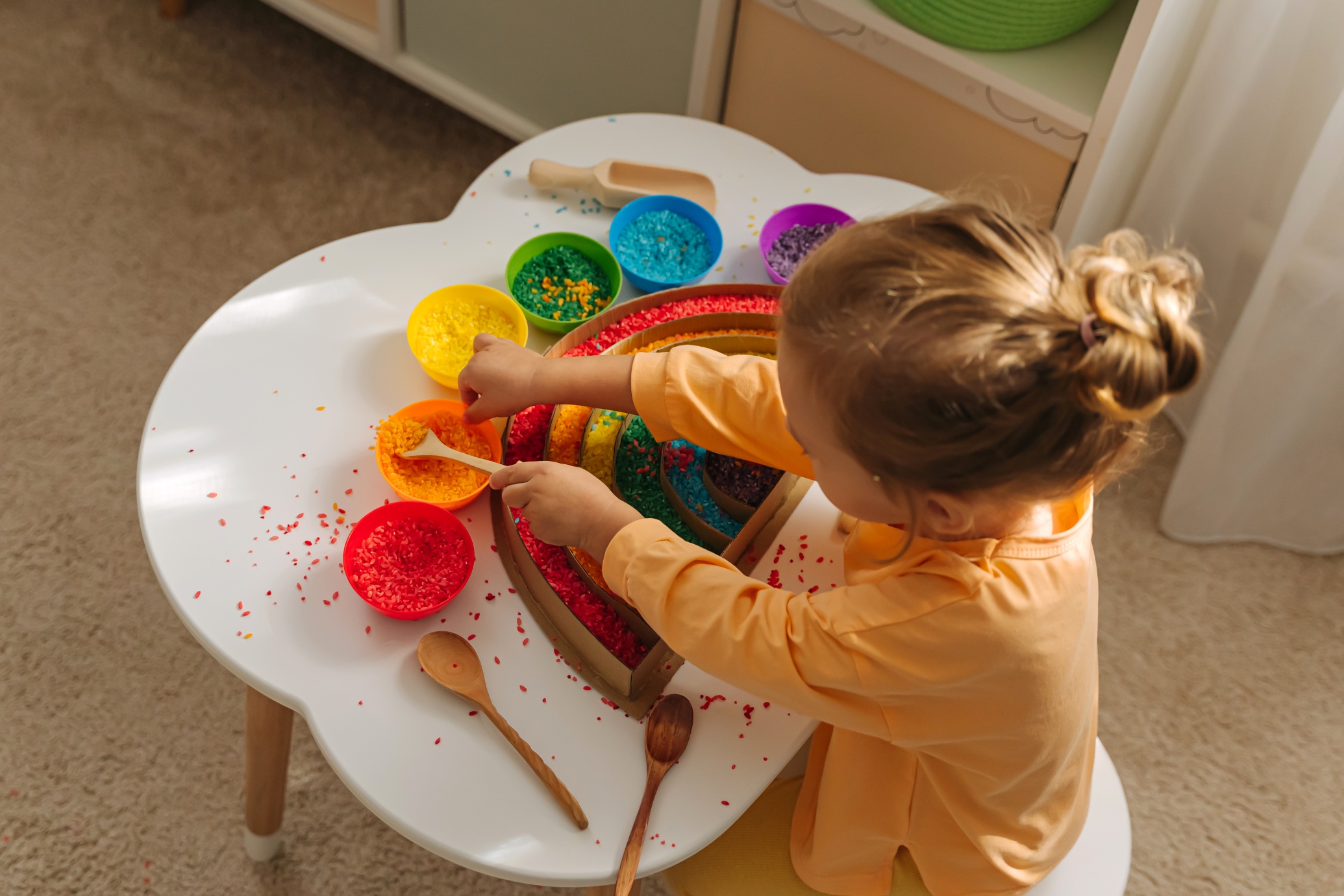
Support builds on what motivates each individual. For younger children, this may involve therapeutic play; for older children and teens, functional tasks and meaningful activities are used. This strengths-focused approach supports confidence, skill development, and everyday participation.
🛡️ Trauma-Informed Practice
Practice is guided by a trauma-informed approach, shaped by professional training and occupational therapy experience supporting children and young people with complex needs. Challenges are explored through understanding experiences, skills, and support needs, rather than focusing on behaviour alone. Sessions prioritise safety, trust, predictability, and collaboration, creating calm and affirming spaces that support participation, regulation, and meaningful growth.
A title
Image Box text

A title
Image Box text
“We look for what’s strong, not just what’s wrong — then grow skills that matter for everyday life.”
A Holistic Approach
Working With Your Family
1 Listen & learn
Time is taken to understand your world — your priorities, strengths, and daily routines — and to define what success looks like for you and your family.
2 Collaborate & Engage
Meaningful goals are developed together using activities that align with the individual’s interests and current abilities. Skills are built through achievable steps and practical strategies that can be supported at home.
3 Review & grow
Progress is reviewed regularly using clear, accessible language. Wins are acknowledged, and supports are adjusted as needs and priorities evolve over time.
